• Tentang UGM
  • Portal Akademik
  • Pusat TI
  • Perpustakaan
  • Penelitian
Universitas Gadjah Mada
  • About Us
    • About CRCS
    • Vision & Mission
    • People
      • Faculty Members and Lecturers
      • Staff Members
      • Students
      • Alumni
    • Facilities
    • Library
  • Master’s Program
    • Overview
    • Curriculum
    • Courses
    • Schedule
    • Admission
    • Scholarship
    • Accreditation and Certification
    • Academic Collaborations
      • Crossculture Religious Studies Summer School
      • Florida International University
    • Academic Documents
    • Student Satisfaction Survey
  • Article
    • Perspective
    • Book Review
    • Event Report
    • Class Journal
    • Interview
    • Wed Forum Report
    • Thesis Review
    • News
  • Publication
    • Reports
    • Books
    • Newsletter
    • Monthly Update
    • Infographic
  • Research
    • CRCS Researchs
    • Resource Center
  • Community Engagement
    • Film
      • Indonesian Pluralities
      • Our Land is the Sea
    • Wednesday Forum
    • ICIR
    • Amerta Movement
  • Beranda
  • Dialogue Moves: Embodying Diversity through Amerta Movement in Indonesia

Dialogue Moves: Embodying Diversity through Amerta Movement in Indonesia

  • 20 December 2024, 17.12
  • Oleh: crcs ugm
  • 0

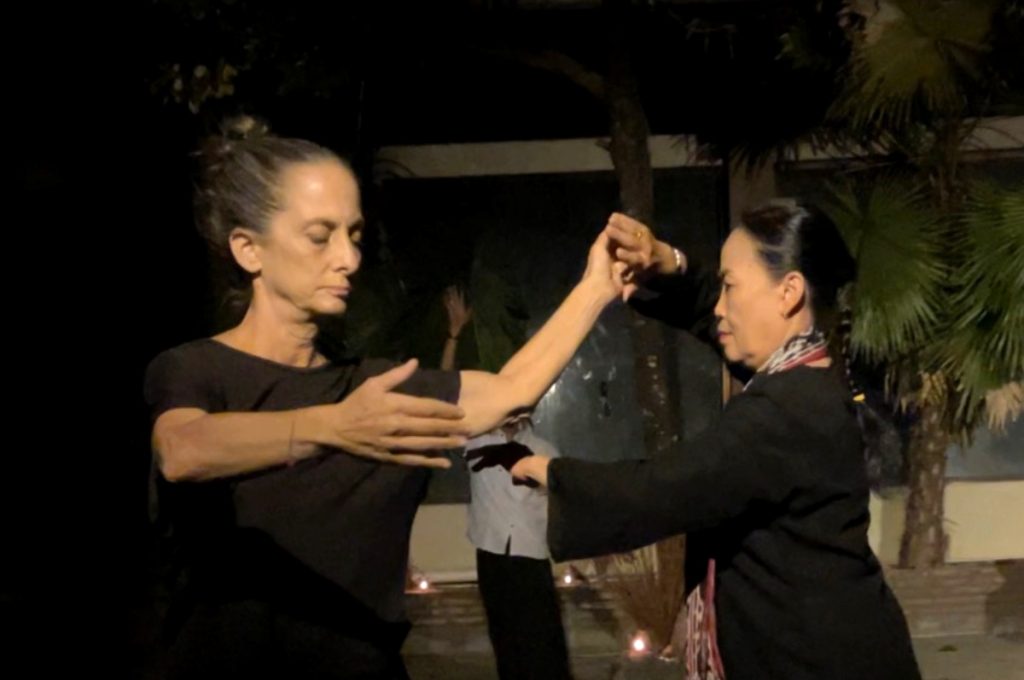
 Dialogue Moves: Embodying Diversity through Amerta Movement in Indonesia (2022 – 2023)

Suprapto Suryodarmo is an internationally recognised figure in the field of dance and somatic practices who worked with diversity in arts at his organisation Lemah Putih in Java; and this research examines the legacy of his work in movement as a form of dialogue. In particular, the role of embodiment was analysed, not just in relation to the physical appearance of the body, but rather how it is felt and experienced, to understand ‘how people know the world through their bodies, particularly through movement in space’ (Wilde 2003, 171). Furthermore, this research investigates how Amerta Movement practice supports dialogue between diverse ethnic and religious communities in Indonesia. This is especially important in a country where ‘unity in diversity’ is the national motto. As the fourth most populated country in the world, Indonesia has around 500 native ethnic groups, creating a distinctly plural society living in close proximity (Butler 2016, 4). The main aim of the research is to stimulate wider debate on what dance practices and research can contribute in understanding cross-community dialogue as a set of movement practices.

Researcher: Dr. Emma Meehan (Center for Dance Research Coventry University, UK)

Collaborators: Dr. Samsul Maarif  (Center for Religious and Cross-cultural Studies (CRCS), Universitas Gadjah Mada, Indonesia) & Dr. Diane Butler (Intl. Foundation for Dharma Nature Time)

Further information about program, click here

Published works and events:

  • Presentation on the Conference: Our Dance Democracy 3
  • Presentation on the 6th International Dance and Somatic Practices Conference, Amerta Movement: Perspectives from Indonesia
    • Wednesday forum: Dancing Dialogue 
    • Video  
  • Dialogue Moves: Practicing Research with Amerta Movement
    • Video 

Reports: 

  • Dialogue moves practicing research with amerta movement
  • Membebaskan Raga Membongkar Paradigma

Srawung Rukun:

  • Joged Amerta, Mantra, dan Pasar Tradisional
  • Instagram posting
  • Dialogue Moves: Embodying Diversity through Amerta Movement in Indonesia

Instagram

H-2 pendaftaran CRCS UGM gelombang ini akan ditutu H-2 pendaftaran CRCS UGM gelombang ini akan ditutup. 
Mari berproses bersama!!
Jangan sampai terlewat yaa~~

#crcsugm #fyp #adil #setara #selaras
Ke Tamansari membawa teman Jangan lupa membeli tik Ke Tamansari membawa teman
Jangan lupa membeli tiket masuknya 
Kalau tertarik belajar isu keberagaman 
CRCS UGM jawabannya 😎

Jangan lupa follow TikTok CRCS juga yaa 😉

#crcsugm #admissionopen #adil #setara #selaras
satu dua tiga empat lima enam tujuh delapan segera satu dua tiga empat
lima enam tujuh delapan
segera daftar ayo cepat
crcs buka pendaftaran
A S (E L A) M A T Konon, Asmat berasal dari kata " A S (E L A) M A T
Konon, Asmat berasal dari kata "As Akat" dalam bahasa setempat yang berarti 'orang yang tepat'. Entah kebetulan atau ada akar bahasa turunan, kata "ismat" (عِصْمَة) dalam bahasa Arab artinya perlindungan dan kerap merujuk pada salah satu sifat manusia terpilih. Hompimpa etimologis tersebut menyiratkan bahwa keselamatan sudah menubuh dalam masyarakat adat Asmat. Namun, keselamatan rupanya punya banyak versi dan tidak selalu bersepakat, bahkan saling meniadakan. Apa pun versinya, keselamatan tak boleh menjadi alasan untuk menghapus memori, apalagi eksistensi. Keselamatan seharusnya membuka ruang baru untuk saling memahami.

Simak ulasan @yunus_djabumona tentang Asmat dan keselamatan hanya di situs web crcs.
Follow on Instagram

Twitter

Tweets by crcsugm

Universitas Gadjah Mada

Gedung Sekolah Pascasarjana UGM, 3rd Floor
Jl. Teknika Utara, Pogung, Yogyakarta, 55284
Email address: crcs@ugm.ac.id


© CRCS - Universitas Gadjah Mada

KEBIJAKAN PRIVASI/PRIVACY POLICY