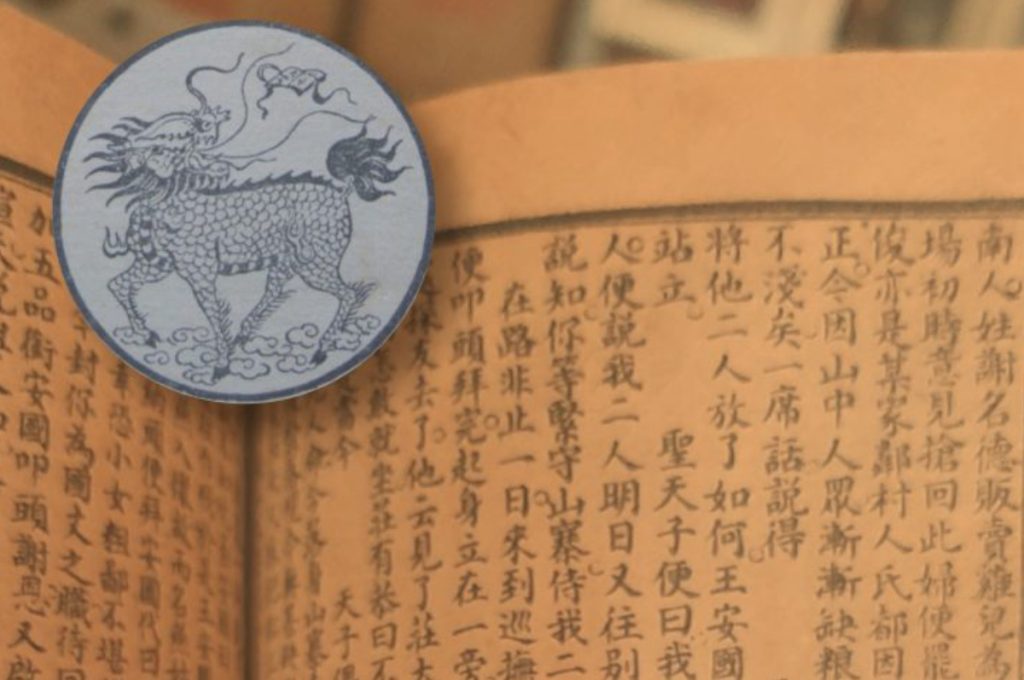
CRCS UGM presents four significant digitalization projects dedicated to the preservation of endangered modern archives of Chinese Indonesians, with a focus on literature and religious materials. The preservation of the Chinese Indonesian archives became important since many of them became endangered due to periods of state-led oppression. Notably, during the New Order era under President Soeharto, Chinese Indonesians faced widespread discrimination and cultural suppression. Policies such as the banning of Chinese language publications, restrictions on cultural expressions, and the forced assimilation programs led to the destruction, concealment, or neglect of many Chinese-language books, manuscripts, and documents. As a result, significant portions of the community’s literary and cultural heritage were lost or became at risk, underscoring the urgent need for digital preservation initiatives to safeguard what remains of these invaluable archives. Nevertheless, these projects not only preserve unique cultural heritage but also expand access for scholars and the wider public.
The first project, funded by the University of Washington, Seattle in 2010, was conducted at Boen Bio in Surabaya. This initiative concentrated on the digitalization of rare Chinese Indonesian religious manuscripts. The project involved the careful selection, scanning, and cataloguing of materials that are vital for understanding the community’s social, religious, and literary history. The resulting digital archives provide a valuable resource for academic research and cultural preservation.
The second project, also supported by the University of Washington, Seattle, took place in 2012 at the Hok An Kiong temple in Muntilan. Building on the experience from the earlier project, this effort focused on a new collection of endangered documents, including Chinese Indonesian literature. The digitalization process ensured the survival of these fragile materials, which are crucial for the study of local Chinese Indonesian religious practices and their evolution over time.
The third project was funded by the University of California, Los Angeles and implemented at two locations: Hok An Kiong, Muntilan, and Lithang Gerbang Kebajikan in Solo in 2021-2024. This initiative expanded the scope to encompass both literary and religious archives from multiple sites, further enhancing the breadth and depth of preserved materials. Through systematic digitalization, the project contributed to the long-term accessibility and study of Chinese Indonesian documents, reinforcing efforts to maintain this important heritage for future generations.
The fourth project was supported by the Center for Religious and Cross-Cultural Studies, University of Gadjah Mada in 2024-2025 to continue the digitalization efforts by focusing on the remaining archives housed at Boen Bio in Surabaya and Lithang Gerbang Kebajikan in Solo. This phase aims to ensure that the entirety of the available collections—encompassing both literary and religious materials—are systematically preserved and made accessible. By targeting documents and manuscripts that were previously undigitized, the project further secures the legacy of Chinese Indonesian communities, fostering greater opportunities for research and cultural understanding.
We bring together the archives from all four projects to facilitate easier access for researchers and students who focus on Chinese Indonesian culture and religion, making it more convenient for them to find and utilize these valuable materials.